Before and after examples
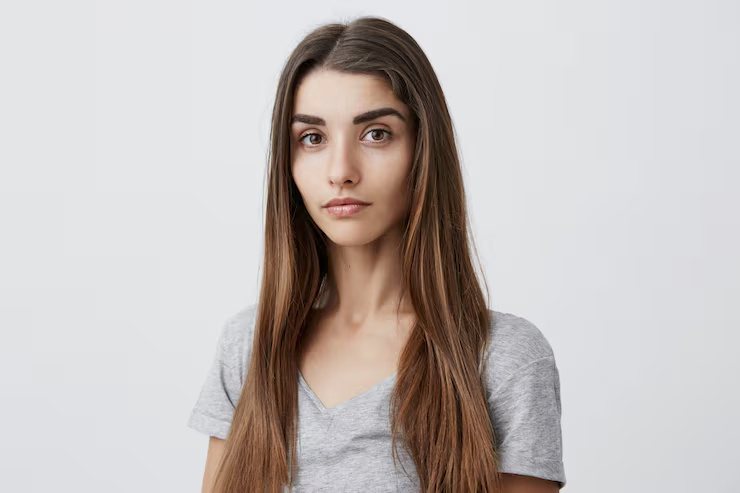
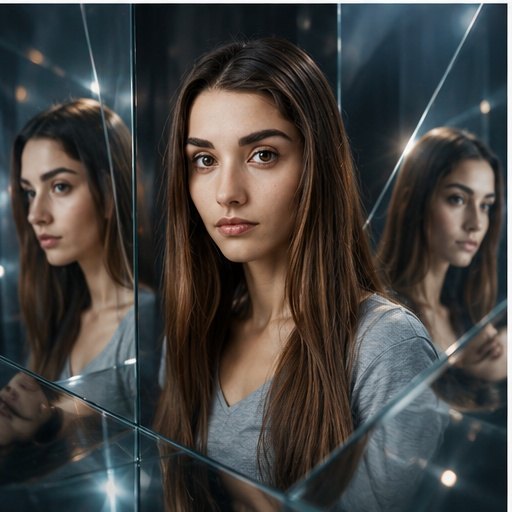
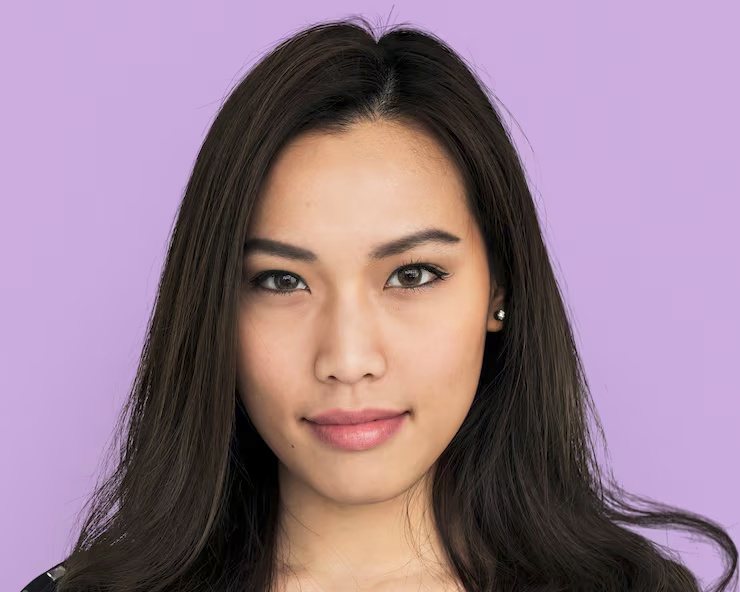
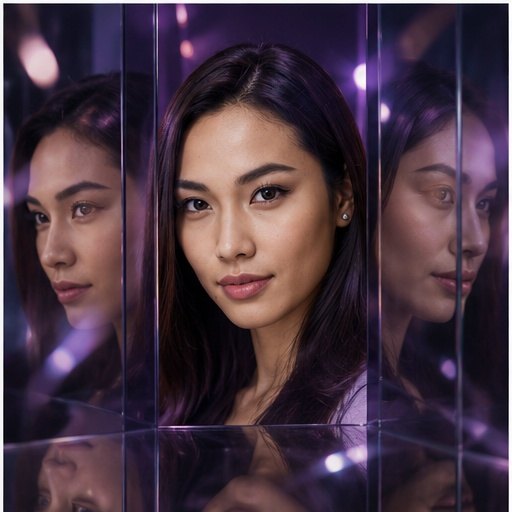
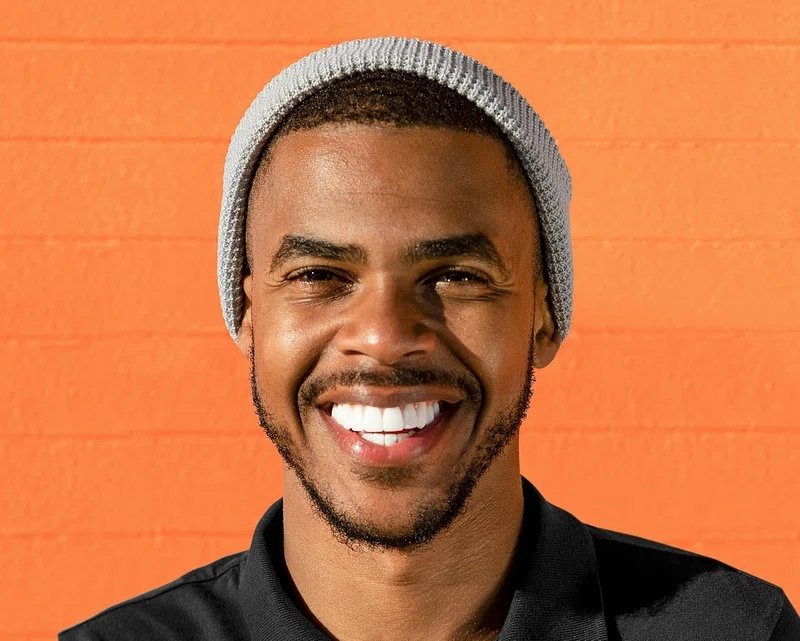
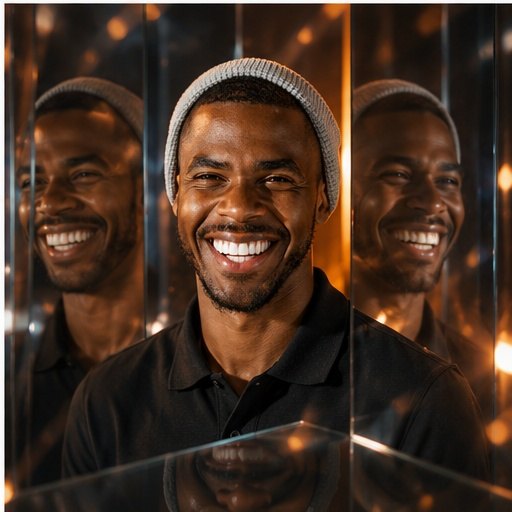
Compare the uploaded portrait references with the mirror-world results to see how controlled reflections, glass panels, lighting and soft distortion change the mood while keeping the person recognizable.
Portrait prompt
Copy a curated Surreal Mirror-World Portrait Prompt for ChatGPT image generation with examples, negative prompt and practical tips.
Copy the Surreal Mirror-World Portrait instructions, then tune Surreal conceptual fashion editorial and Elegant soft reflections and glass highlights only where your source image needs adjustment.
Create a surreal mirror-world portrait from the uploaded photo. Keep the face recognizable, add multiple reflective glass panels, soft distortions, elegant lighting, abstract background, and a premium conceptual fashion-editorial look. Use a vertical editorial crop, controlled reflections, natural facial proportions, soft glass distortion, elegant highlights, abstract depth, and premium conceptual fashion lighting.
Compare the uploaded portrait references with the mirror-world results to see how controlled reflections, glass panels, lighting and soft distortion change the mood while keeping the person recognizable.
Make this portrait surreal with mirrors.
For Surreal Mirror-World Portrait, choose a reference where the focal subject is readable at the intended crop. The options below support Surreal conceptual fashion editorial without competing background detail.
For Surreal Mirror-World Portrait, adjust one field per trial so changes to Surreal conceptual fashion editorial remain distinguishable from changes to Elegant soft reflections and glass highlights.
| Parameter | What to change | Expected effect | Example value |
|---|---|---|---|
| Subject or scene | Replace the main subject while keeping the prompt structure. | Changes the focal content without discarding the composition. | Surreal Mirror-World Portrait |
| Visual style | Change the style phrase. | Moves the result toward a different material or art direction. | Surreal conceptual fashion editorial |
| Lighting | Replace the lighting description. | Changes contrast, depth, color temperature and mood. | Elegant soft reflections and glass highlights |
| Camera and composition | Adjust lens, angle, crop or focal point. | Changes perspective and the amount of environment in frame. | Vertical editorial portrait crop, shallow depth of field |
| Output format | Choose an aspect ratio supported by your image tool. | Adapts the framing for a post, poster or landscape image. | 4:5 or 3:4 |
changed identity, distorted face, duplicate face, duplicate eyes, crossed eyes, bad hands, extra fingers, broken reflections, harsh glare, messy glass panels, random text, watermark, logo, low-resolution, plastic skin, warped anatomy, chaotic background
Use it to turn an uploaded portrait into a surreal fashion-editorial image with reflective glass panels, soft distortion and elegant lighting while preserving the person identity.
Yes. For Surreal Mirror-World Portrait, ChatGPT image generation needs a clear portrait where the facial features required by this portrait treatment remain visible.
For Surreal Mirror-World Portrait, retain the face, hairstyle and main expression instruction when the source photo already represents the intended person. Avoid making the mirror distortion so strong that the face becomes fragmented.
A clean portrait, selfie or waist-up editorial photo works best. Avoid low-resolution images, heavy beauty filters, extreme crops or faces hidden by glasses, hair or shadows.
Ask for controlled reflective glass panels, elegant highlights, shallow depth, abstract background and soft distortion. Too many reflections can make the image chaotic.
Yes. The negative prompt helps reduce duplicate faces, broken reflections, warped eyes, bad hands, harsh glare, random text and plastic skin.
Yes. Keep the same visual instructions and adapt model settings such as image reference weight, aspect ratio and style strength.
A vertical 4:5 or 3:4 crop usually works best for fashion-editorial portraits, while 2:3 gives more space for glass panels and full outfit styling.
Author: Image Prompt List Editorial Team. This is the site editorial team, not a fictional individual expert.
For Surreal Mirror-World Portrait, editors checked the stored prompt and available examples for topic fit, pair order, captions, metadata, duplicates and unsupported claims. Formatting checks can be automated; this approval covers the documented Surreal conceptual fashion editorial and Elegant soft reflections and glass highlights evidence, not an unreported independent model rerun.
Last updated: May 26, 2026.
Read the editorial methodology or report an error.