Renaissance Oil Painting Portrait Prompt for ChatGPT AI Images
Copy a tested Renaissance Oil Painting Portrait Prompt for ChatGPT image generation with examples, negative prompt, practical tips, settings and variations.
About this prompt
Use this Renaissance Oil Painting Portrait Prompt to create a polished AI image from a clear uploaded portrait while keeping the person recognizable. The prompt is designed for ChatGPT image generation and can also be adapted for other AI image tools when you need stronger style direction, better composition and more consistent facial details. It helps define the face, pose, outfit, lighting, background, mood and final image quality without turning the subject into a generic character. Use it when the uploaded photo needs a stronger visual concept but the identity, hairstyle and main expression still need to stay stable. This page includes the full prompt, negative prompt, before-and-after examples when available, usage tips, prompt variations, common mistakes, recommended settings and related prompt ideas so you can copy the prompt, adjust it quickly and get a more predictable result.
Copy this prompt
Use the tested version as-is, then customize the subject, style, lighting and mood in your image tool.
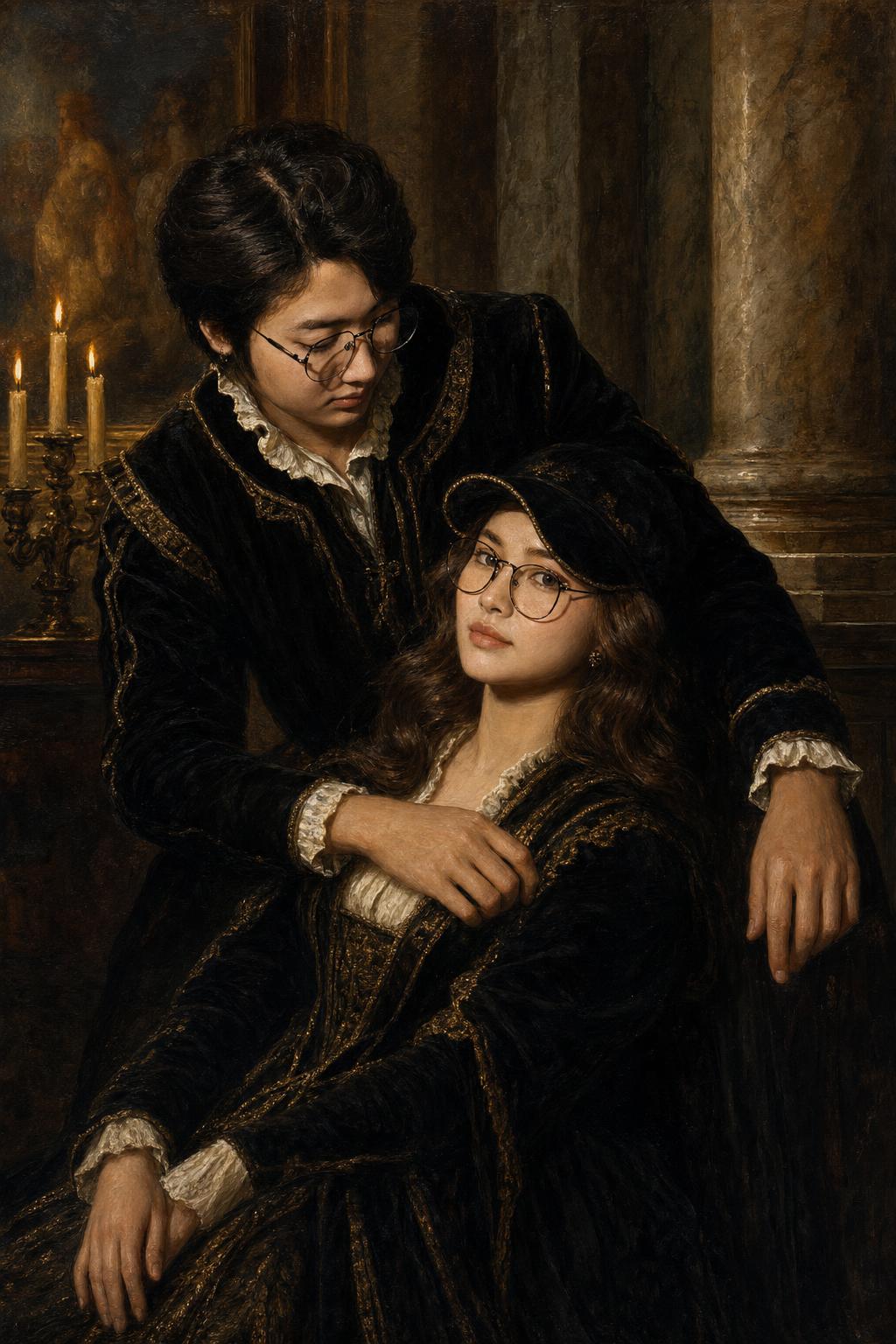
Create a museum-quality Renaissance oil painting portrait of the person from the reference image. Preserve the person's recognizable facial identity and realistic proportions while dressing them as a noble aristocrat in dark velvet period clothing with subtle gold embroidery. Use a dramatic old palace interior with marble columns, deep shadows, warm candlelight, classical painted background, visible brush strokes, realistic skin texture, three-quarter waist-up composition, and Caravaggio-inspired chiaroscuro for a timeless premium museum portrait.
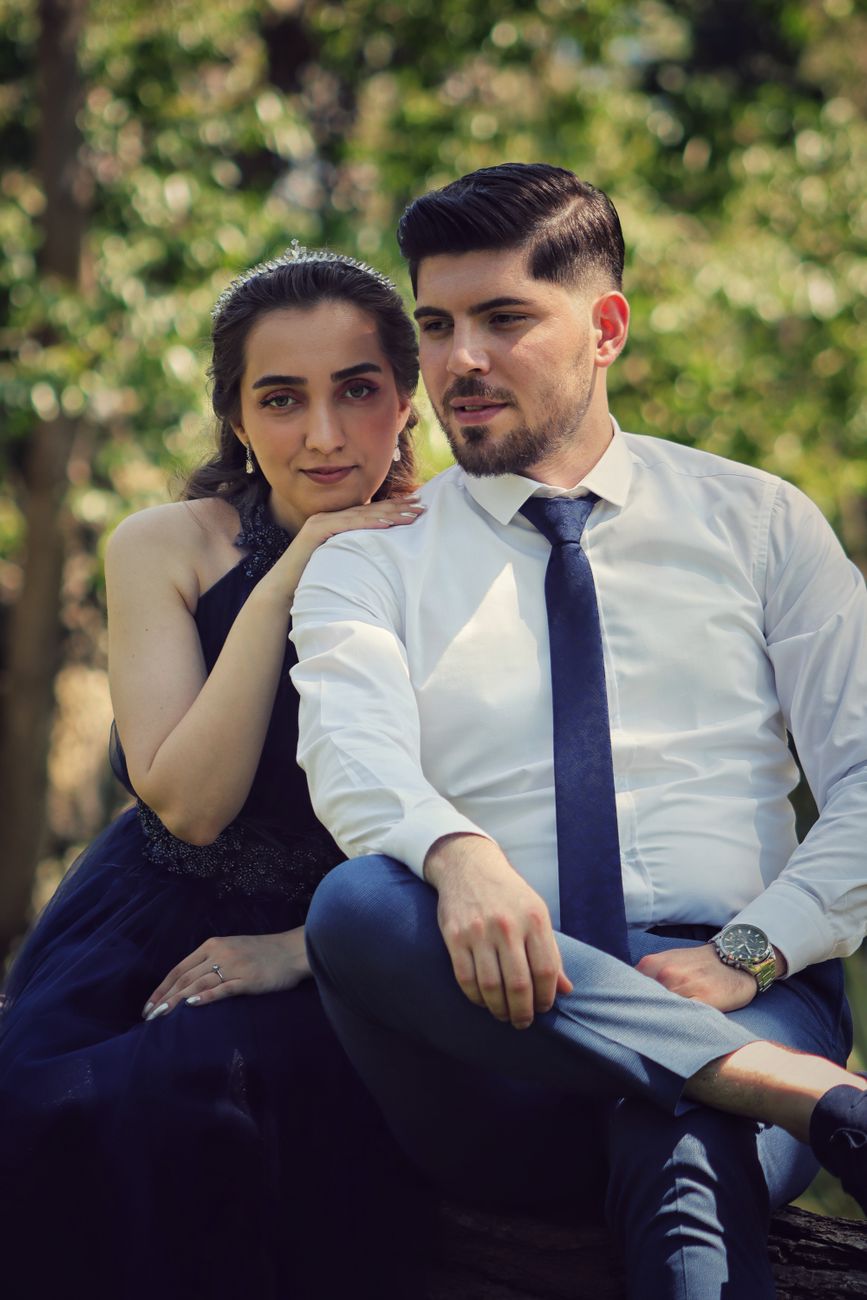
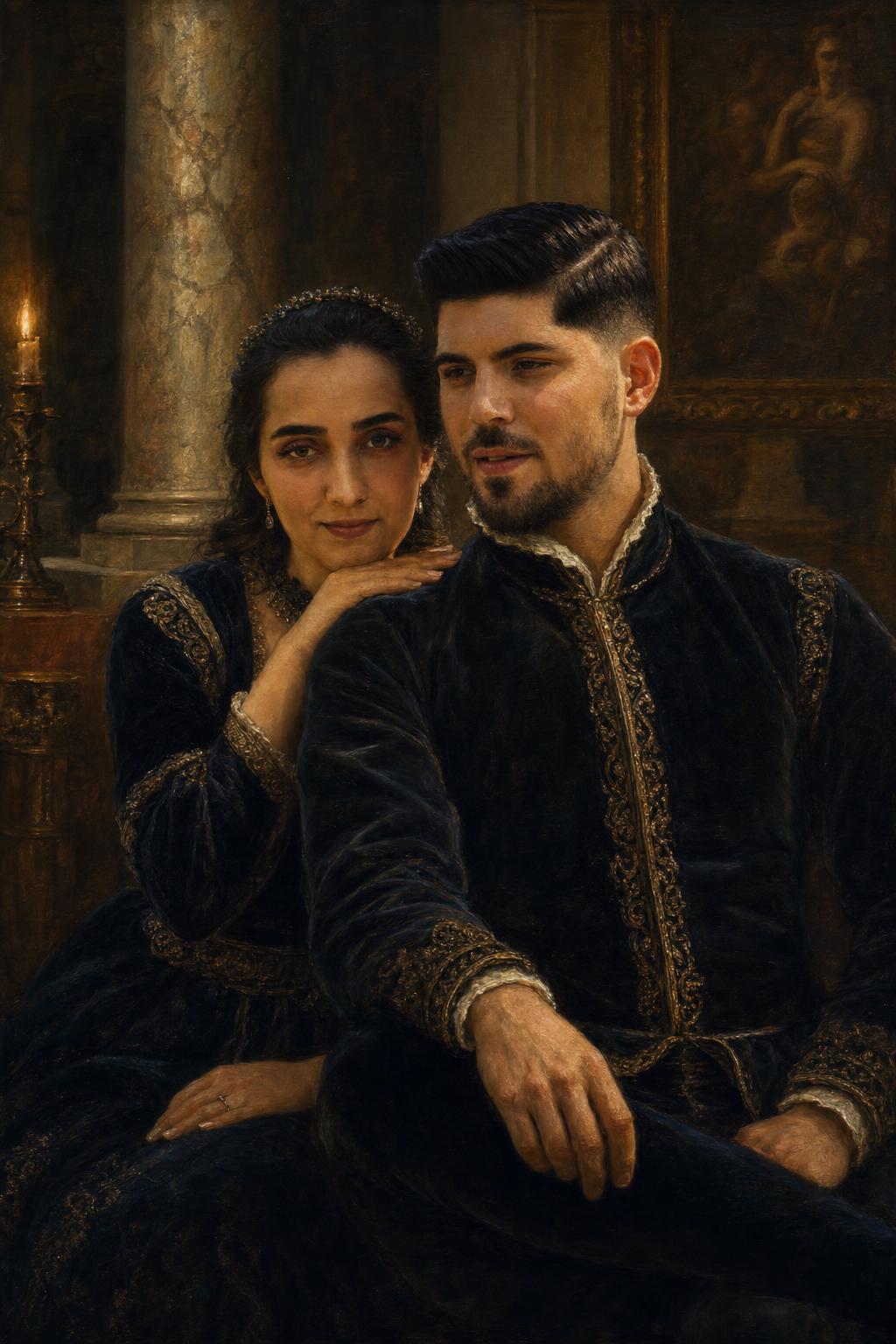
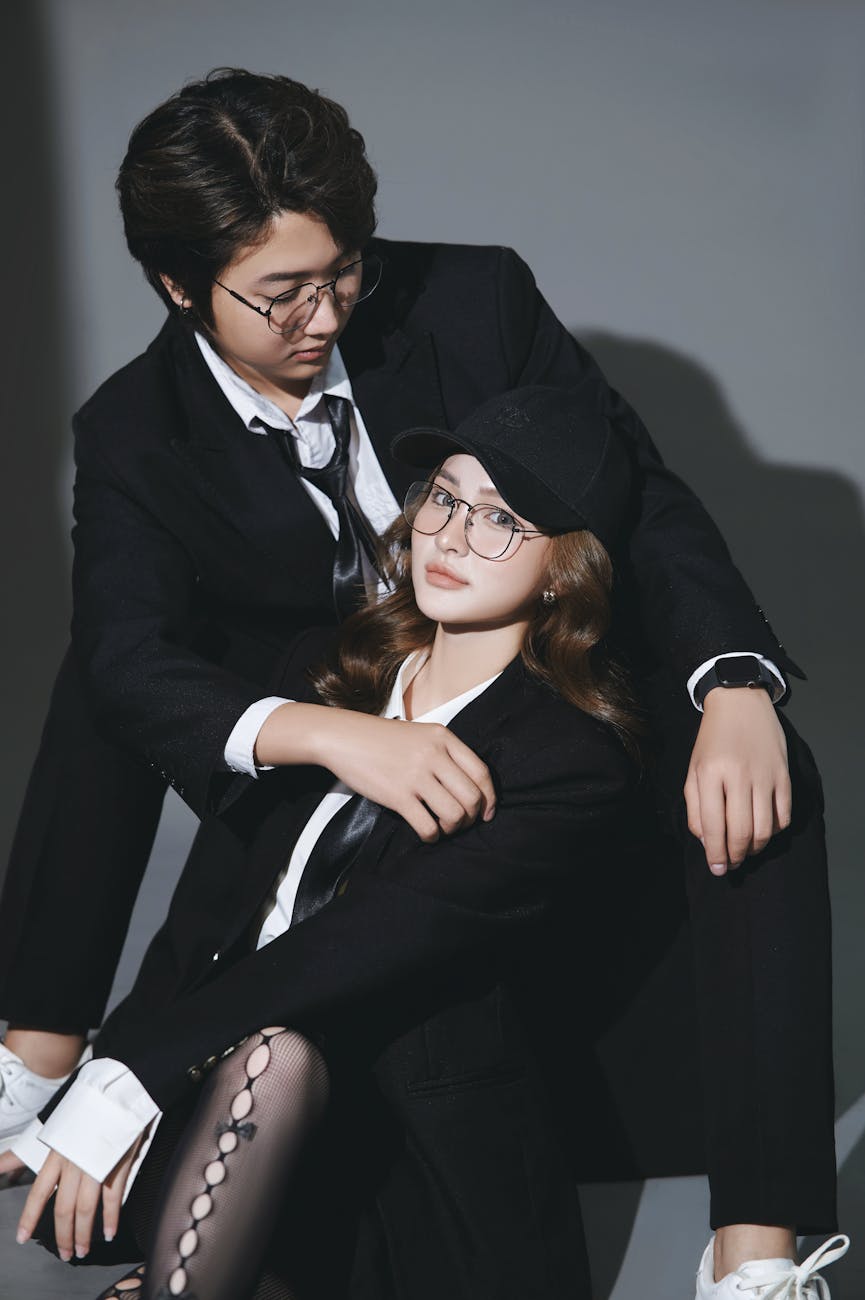
Before reference 1After result 1. This example shows how a simple portrait reference can become a polished AI image while keeping the person recognizable. The result improves the lighting, styling, background and overall composition without losing the main facial identity.
Bad prompt vs improved prompt
Bad prompt
make me a renaissance painting
Improved prompt
Create a museum-quality Renaissance oil painting portrait of the person from the reference image. Preserve the person's recognizable facial identity and realistic proportions while dressing them as a noble aristocrat in dark velvet period clothing with subtle gold embroidery. Use a dramatic old palace interior with marble columns, deep shadows, warm candlelight, classical painted background, visible brush strokes, realistic skin texture, three-quarter waist-up composition, and Caravaggio-inspired chiaroscuro for a timeless premium museum portrait.
Why this prompt works
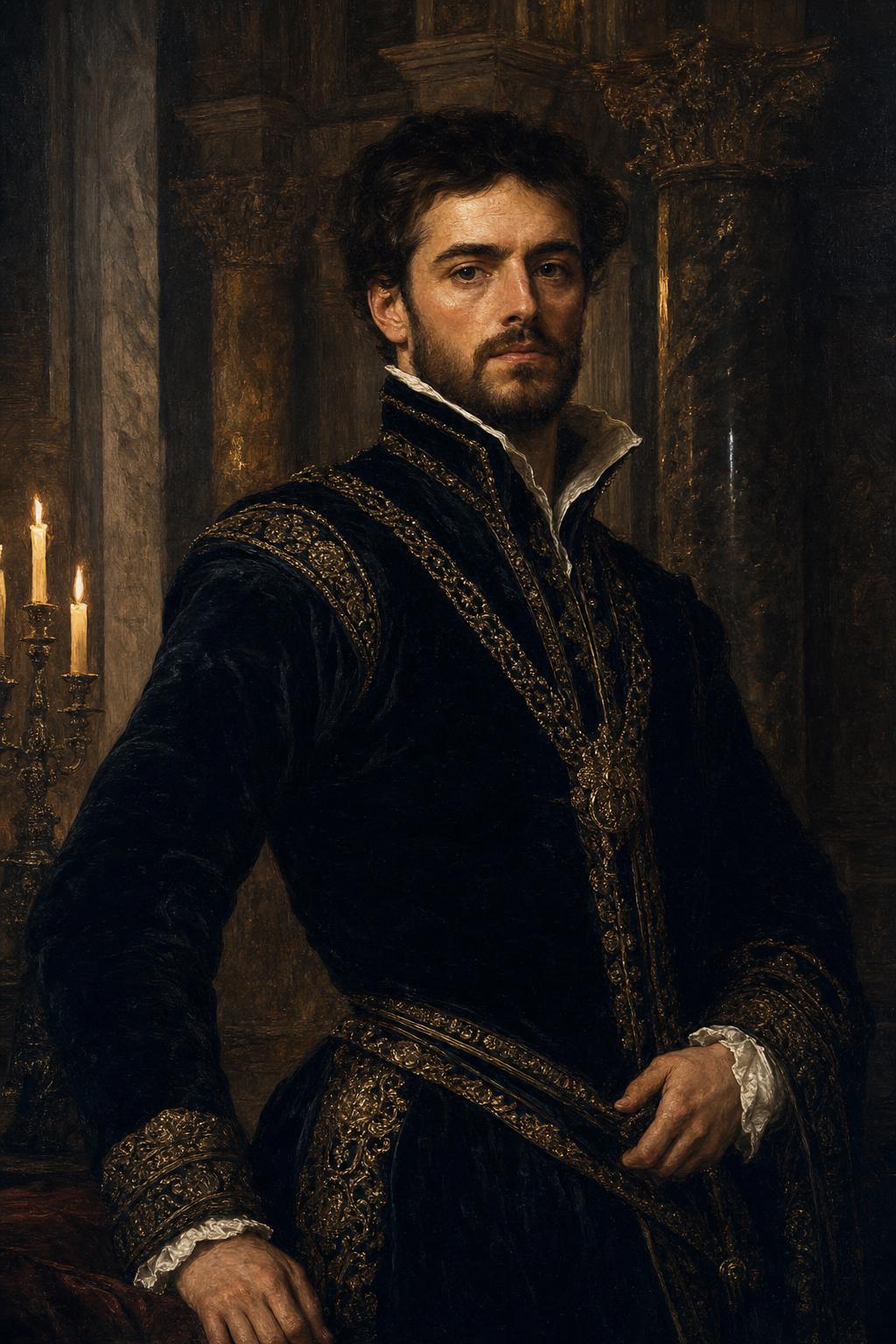
The prompt works because it combines identity preservation with period wardrobe, architectural setting, painterly texture, and a specific lighting tradition. Those cues help the model create a historical portrait rather than a simple vintage filter.
Prompt structure
This prompt defines the reference person, preserved face, Renaissance wardrobe, palace setting, old master lighting, painterly texture, and calm aristocratic mood.
Copy-paste prompt
Create a museum-quality Renaissance oil painting portrait of the person from the reference image. Preserve the person's recognizable facial identity and realistic proportions while dressing them as a noble aristocrat in dark velvet period clothing with subtle gold embroidery. Use a dramatic old palace interior with marble columns, deep shadows, warm candlelight, classical painted background, visible brush strokes, realistic skin texture, three-quarter waist-up composition, and Caravaggio-inspired chiaroscuro for a timeless premium museum portrait.
Negative prompt
minor, child, teenager, explicit nudity, sexualized pose, violence, weapons, drugs, political symbols, hate symbols, distorted face, extra fingers, deformed hands, plastic skin, over-smoothed skin, unrealistic eyes, bad perspective, unreadable text, brand logos, watermark, low resolution, blurry, AI artifacts, cartoon painting, modern clothing, flat digital filter, waxy skin, weak brush texture, mismatched costume, fake palace background, overbright museum lighting
Best use cases
historical portrait edits
old master style images
premium profile art
Renaissance character concepts
museum portrait prompts
editorial AI portraits
Real source and result examples
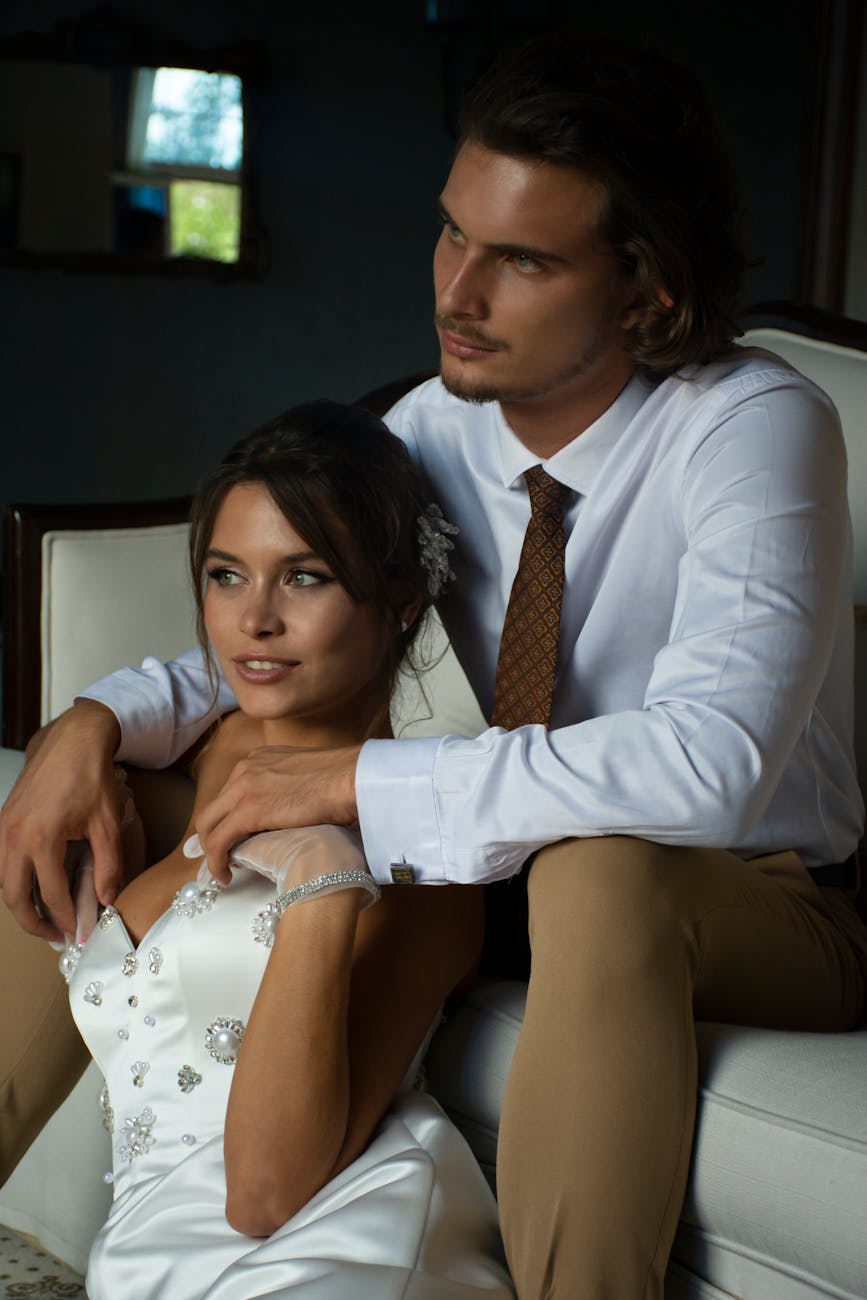
These examples use modern adult stock portraits as source references and transform them into Renaissance oil painting portraits.
Source example 1Generated result 1Source example 2Generated result 2Source example 3Generated result 3
How to adjust this prompt
Use a clear adult reference portrait with visible facial features.
Keep the costume historically styled but not overloaded.
Mention brush texture if the result looks too photographic.
Reduce gold detail if the outfit becomes cluttered.
FAQ
How do I keep the face recognizable?
Ask for preserved facial identity, realistic proportions, and natural skin texture before adding wardrobe or background details.
Can this work for a woman?
Yes. Replace the doublet with an elegant period gown while keeping the Renaissance lighting and old palace setting.
Why mention brush strokes?
Visible brush strokes make the result feel like a painting instead of a filtered photograph.
How do I make it more dramatic?
Increase candlelight, deep shadows, and chiaroscuro contrast around the face.
Start with a clear image idea or upload a source photo when the prompt is designed for a recognizable person, product or object.
Copy the Renaissance Oil Painting Portrait Prompt and keep the main subject, style, lighting, camera and composition instructions together.
Replace bracketed placeholders with your own subject, outfit, background, mood, product details or scene requirements.
Add the negative prompt when the result needs cleaner hands, faces, text, logos, shadows, proportions or background detail.
Generate one version first, then refine only the weakest part: pose, lighting, crop, realism, style strength or unwanted artifacts.
Best photo types for this prompt
Use source images that make the main subject easy to understand. These input types usually give the model enough visual context without adding unnecessary clutter.
Best modelsChatGPT, Midjourney, Flux, Leonardo, Ideogram
Style strengthUse medium strength for realistic portraits and higher strength for painterly, fantasy or editorial looks.
Input tips
Use a clear face photo with natural detail.
Avoid heavy filters, blur and extreme crops.
Keep identity instructions in the prompt.
Use the negative prompt when hands, jewelry, fabric or facial details distort.
Prompt variations
Use these variations when the first result is close, but you need a different finish, crop or level of realism.
Cinematic portrait version
Cinematic portrait version
Create a cinematic portrait version of Renaissance Oil Painting Portrait Prompt. Keep the person recognizable, add dramatic lighting, stronger depth, clean background control, realistic details and a polished editorial finish.
Realistic editorial version
Realistic editorial version
Create a realistic editorial version of Renaissance Oil Painting Portrait Prompt. Keep the facial identity natural, use believable lighting, balanced colors, refined styling and a magazine-quality composition.
Fashion street portrait version
Fashion street portrait version
Create a fashion street portrait version of Renaissance Oil Painting Portrait Prompt. Keep the person recognizable, add stylish clothing, natural movement, urban background detail, editorial lighting and a confident portrait mood.
Painterly portrait version
Painterly portrait version
Create a painterly portrait version of Renaissance Oil Painting Portrait Prompt. Preserve the main facial features, add refined texture, soft brushwork, warm lighting, detailed clothing and a classic portrait composition.
Social media profile version
Social media profile version
Create a social media profile version of Renaissance Oil Painting Portrait Prompt. Keep the person recognizable, use a clean crop, strong focal point, clear background separation and a polished square or vertical layout.
Negative prompt
minor, child, teenager, explicit nudity, sexualized pose, violence, weapons, drugs, political symbols, hate symbols, distorted face, extra fingers, deformed hands, plastic skin, over-smoothed skin, unrealistic eyes, bad perspective, unreadable text, brand logos, watermark, low resolution, blurry, AI artifacts, cartoon painting, modern clothing, flat digital filter, waxy skin, weak brush texture, mismatched costume, fake palace background, overbright museum lighting
Common mistakes
Using a blurry or cropped face photo.
Removing the instruction to keep the person recognizable.
Making the style so extreme that the face or outfit identity changes.
Overloading clothing, background and lighting details in one prompt.
Skipping the negative prompt for hands, eyes, face shape and background artifacts.
Using a heavily filtered selfie as the only reference image.
FAQ
How do I keep the face recognizable?
Ask for preserved facial identity, realistic proportions, and natural skin texture before adding wardrobe or background details.
Can this work for a woman?
Yes. Replace the doublet with an elegant period gown while keeping the Renaissance lighting and old palace setting.
Why mention brush strokes?
Visible brush strokes make the result feel like a painting instead of a filtered photograph.
How do I make it more dramatic?
Increase candlelight, deep shadows, and chiaroscuro contrast around the face.
What is this prompt used for?
Use Renaissance Oil Painting Portrait Prompt to create a more controlled AI image from a clear idea or uploaded reference. It helps define the subject, style, lighting, composition and final quality.
Can I use this prompt in ChatGPT?
Yes. The prompt is written for ChatGPT image generation and uses natural language instructions that are easy to copy, edit and refine.
Can I use this prompt in Midjourney or Flux?
Yes. You can adapt the wording for Midjourney, Flux, Leonardo or other image tools, but model-specific parameters and aspect ratios may need small changes.
How do I get better results from this prompt?
Use a clear subject, keep the strongest style instructions, add the negative prompt and refine only the weakest part of the first result. Small targeted edits work better than rewriting everything.