Generate Prompt

Interior Design prompt

Dark Academia Old Library Prompt for ChatGPT AI Images

Copy a tested Dark Academia Old Library Prompt for ChatGPT image generation with examples, negative prompt, practical tips, settings and variations.

About this prompt

Use this Dark Academia Old Library Prompt to turn a clear image idea into a more atmospheric AI scene with stronger mood, lighting, composition and visual direction. The prompt is designed for ChatGPT image generation and can also be adapted for other AI image tools when you need a stronger setting, camera angle, color palette, background and final image quality. It helps organize the subject, environment, depth, lighting and style so the result feels intentional instead of random. Use it when the scene needs a clearer focal point, stronger atmosphere and a more finished visual rhythm. This page includes the full prompt, negative prompt, examples, usage tips, prompt variations, common mistakes, recommended settings and related prompt ideas so you can copy the prompt, adjust it quickly and get a more predictable result.

Copy this prompt

Use the tested version as-is, then customize the subject, style, lighting and mood in your image tool.

Best for

ChatGPTInterior DesignReference photo
Improved prompt
Create a dark academia scene inside an old university library with tall wooden bookshelves, antique lamps, leather chairs, a large wooden desk, scattered books, handwritten notes, leather-bound books, wooden textures, candle-like lamp glow, paper notes, and soft dust particles visible in light beams. Use dark academia realism, cinematic interior photography, gothic university aesthetic, editorial composition, warm desk lamps, soft window light, deep shadows, subtle golden highlights, a 35mm lens, eye-level perspective, moderate depth of field, sharp desk details, softly blurred bookshelves, symmetrical architecture, strong depth, and an intellectual mysterious old-world mood.
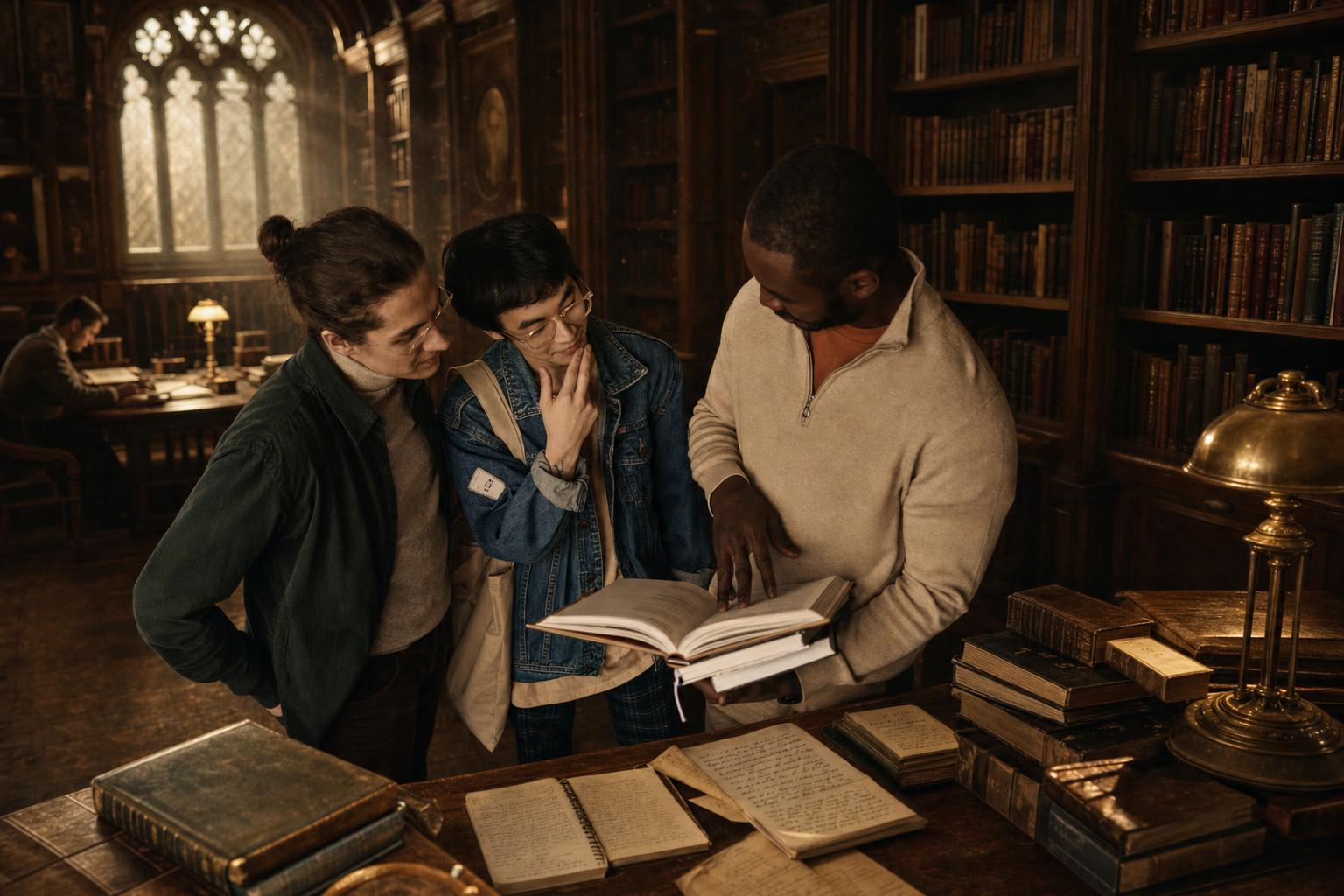
Dark Academia Old Library Prompt source image example 1
Before reference 1
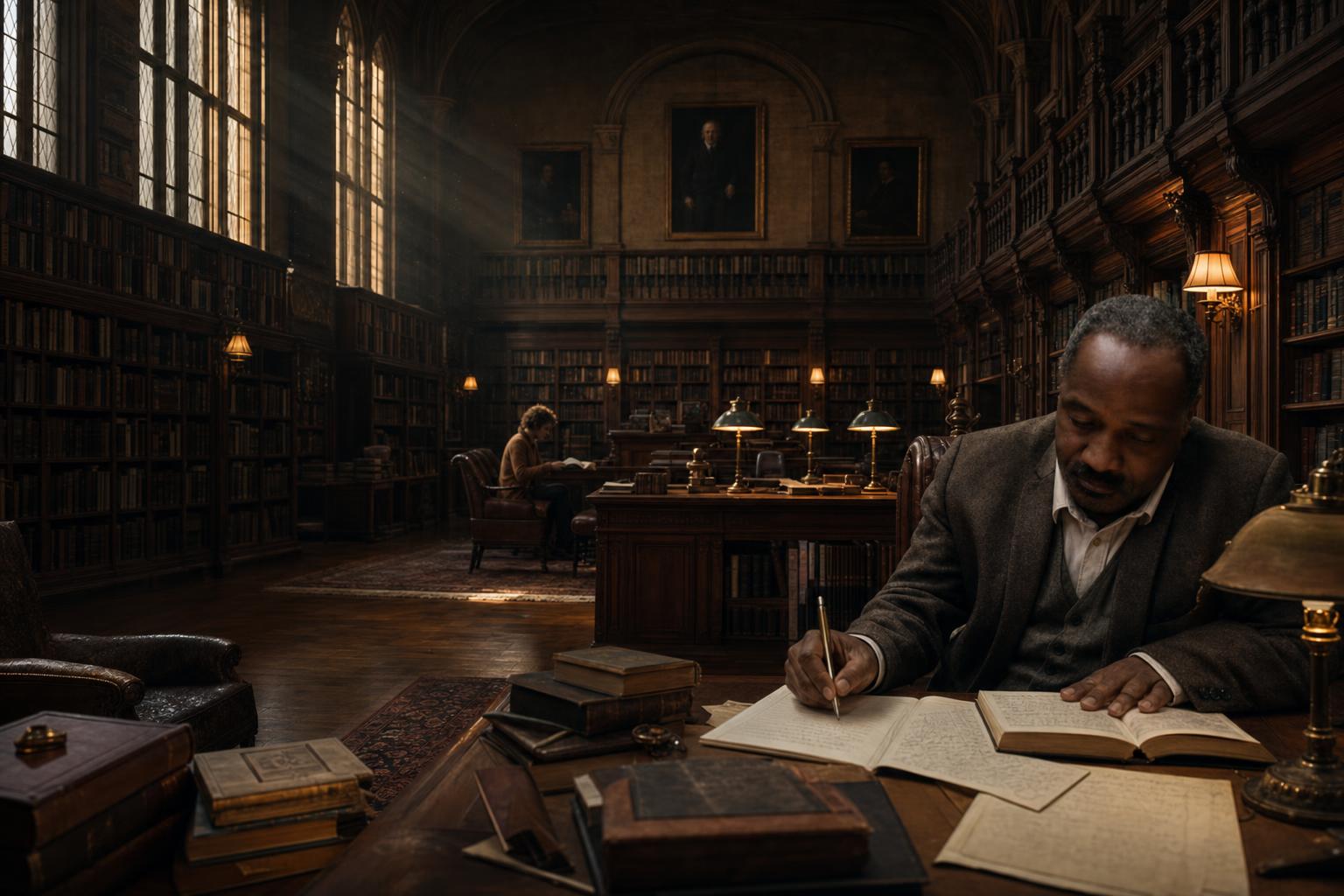
AI result created with Dark Academia Old Library Prompt example 1
After result 1. This example shows how the prompt can turn a simple idea into a more detailed AI image with clearer mood, lighting, composition and visual direction.

Bad prompt vs improved prompt

Bad prompt

dark academia library

Improved prompt

Create a dark academia scene inside an old university library with tall wooden bookshelves, antique lamps, leather chairs, a large wooden desk, scattered books, handwritten notes, leather-bound books, wooden textures, candle-like lamp glow, paper notes, and soft dust particles visible in light beams. Use dark academia realism, cinematic interior photography, gothic university aesthetic, editorial composition, warm desk lamps, soft window light, deep shadows, subtle golden highlights, a 35mm lens, eye-level perspective, moderate depth of field, sharp desk details, softly blurred bookshelves, symmetrical architecture, strong depth, and an intellectual mysterious old-world mood.

Why this prompt works

The prompt works because it defines the setting through furniture, materials, light, objects, and academic mood. The camera instructions keep the desk sharp while the shelves add depth and atmosphere.

Prompt structure

This prompt defines the old university library, key furniture, book and paper details, warm shadowy lighting, lens perspective, and academic mood.

Copy-paste prompt

Create a dark academia scene inside an old university library with tall wooden bookshelves, antique lamps, leather chairs, a large wooden desk, scattered books, handwritten notes, leather-bound books, wooden textures, candle-like lamp glow, paper notes, and soft dust particles visible in light beams. Use dark academia realism, cinematic interior photography, gothic university aesthetic, editorial composition, warm desk lamps, soft window light, deep shadows, subtle golden highlights, a 35mm lens, eye-level perspective, moderate depth of field, sharp desk details, softly blurred bookshelves, symmetrical architecture, strong depth, and an intellectual mysterious old-world mood.

Negative prompt

minor, child, teenager, explicit nudity, sexualized pose, violence, weapons, drugs, political symbols, hate symbols, distorted face, extra fingers, deformed hands, plastic skin, over-smoothed skin, unrealistic eyes, bad perspective, unreadable text, brand logos, watermark, low resolution, blurry, AI artifacts, modern office furniture, bright classroom, plastic shelves, unreadable messy papers, cluttered desk, flat lighting, empty white walls, warped books, fake candle flames

Best use cases

  • dark academia visuals
  • library interior prompts
  • study moodboards
  • gothic university backgrounds
  • editorial interior images
  • bookish social posts

Real source and result examples

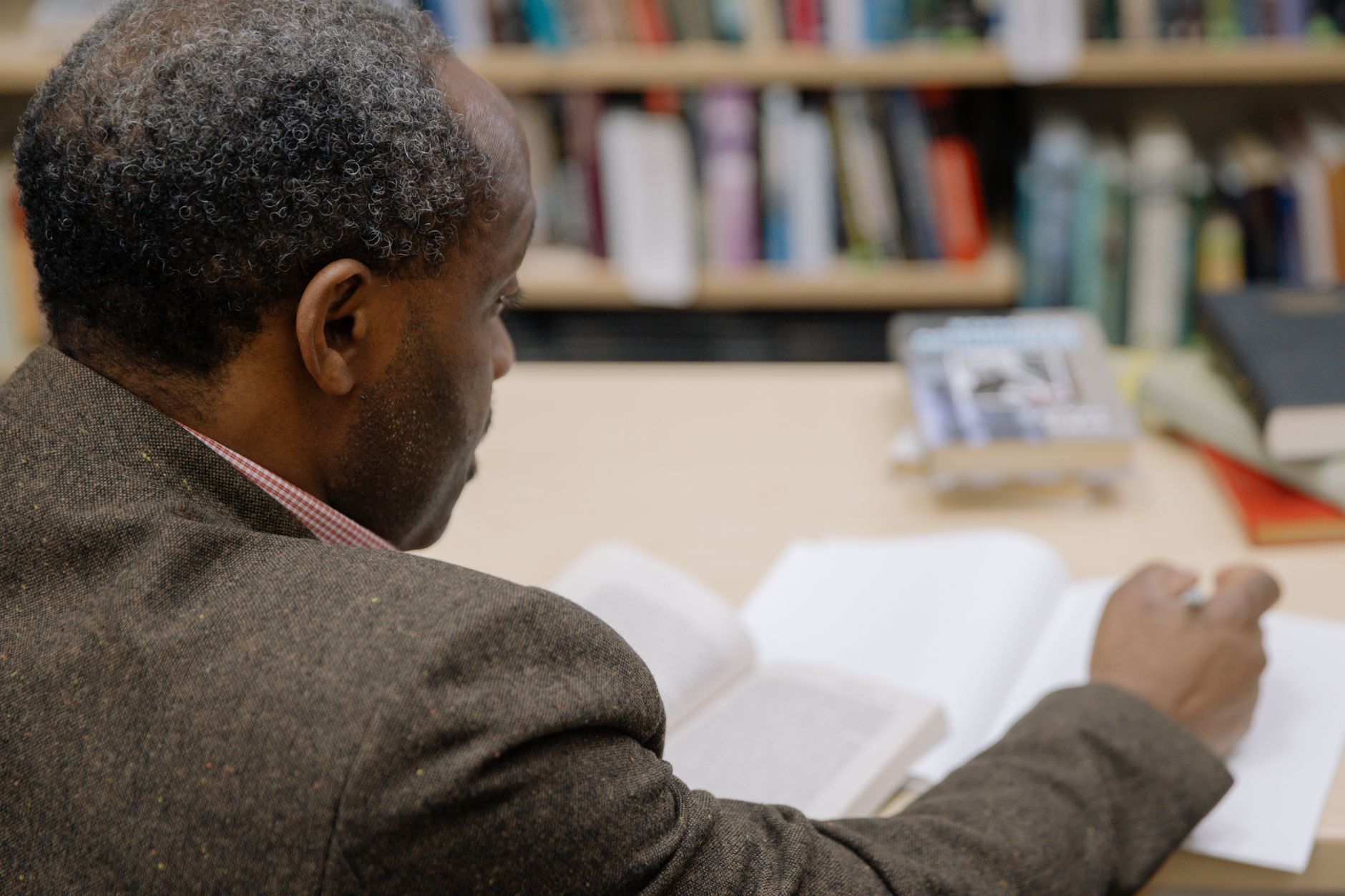
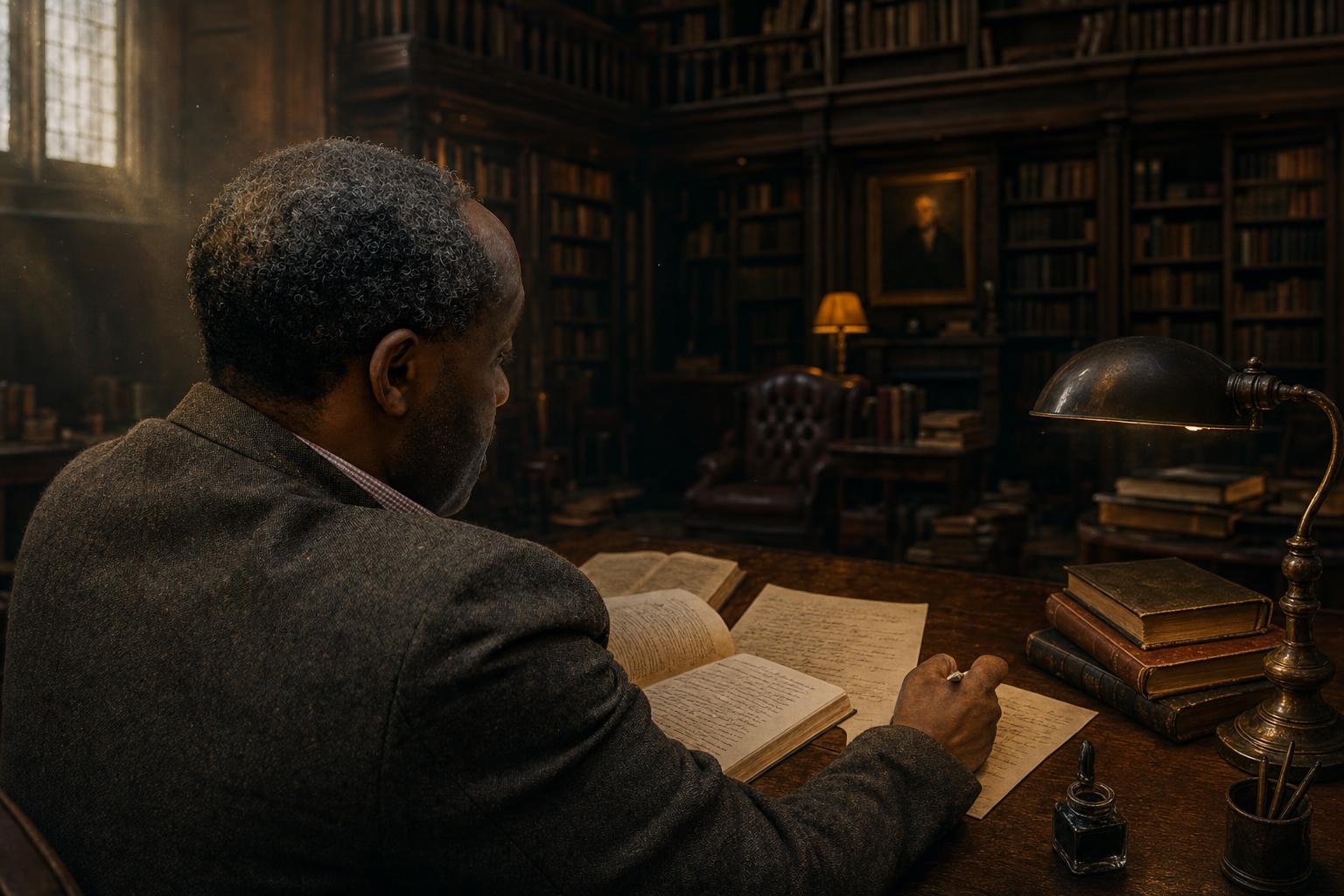
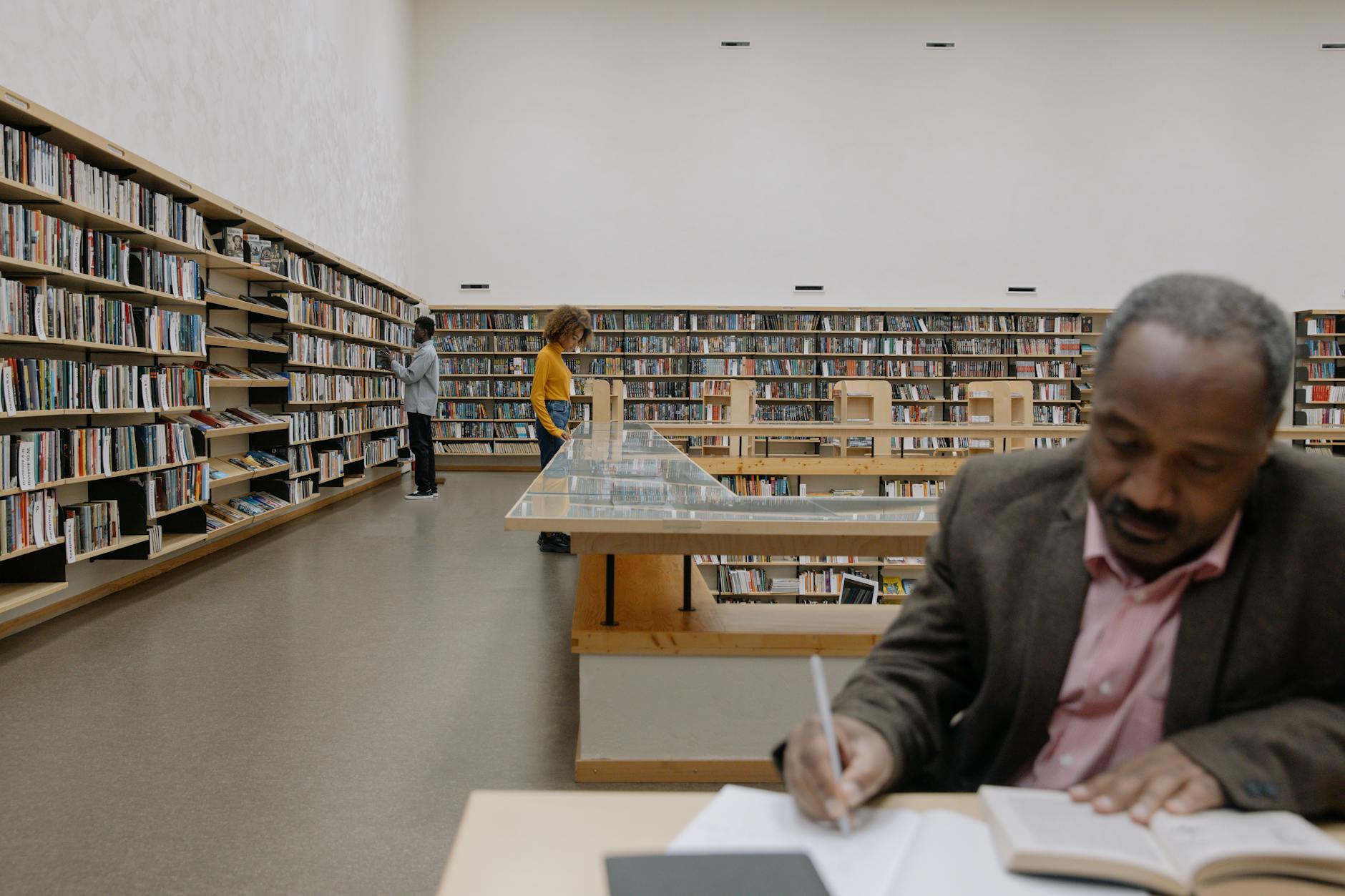
These examples use modern library stock photos with adults as source references and transform them into dark academia old library interiors.

Dark Academia Old Library Prompt stock source reference example 1
Source example 1
Dark Academia Old Library Prompt generated result example 1
Generated result 1
Dark Academia Old Library Prompt stock source reference example 2
Source example 2
Dark Academia Old Library Prompt generated result example 2
Generated result 2
Dark Academia Old Library Prompt stock source reference example 3
Source example 3
Dark Academia Old Library Prompt generated result example 3
Generated result 3

How to adjust this prompt

  • Keep the desk organized enough to read as editorial.
  • Use dust in light beams for atmosphere.
  • Mention wooden textures and leather chairs to avoid modern furniture.
  • Use moderate depth of field for sharp desk detail and soft shelves.
FAQ

How do I make the scene more mysterious?

Increase deep shadows, warm lamp glow, dust particles, and softly blurred bookshelves.

Can I add a student or professor?

Yes. Add one subtle adult figure reading or writing so the library remains the main subject.

Why include a wooden desk in the foreground?

The desk gives the composition a sharp focal layer and makes the interior feel usable.

How do I avoid a modern library look?

Use antique lamps, leather chairs, tall wooden shelves, gothic architecture, and old-world materials.

Related internal links

Browse more interior design AI prompts, compare transformations in before/after examples, build a new idea with the AI image prompt generator, and clean results with negative prompts.

How to use this prompt

  1. Start with a clear image idea or upload a source photo when the prompt is designed for a recognizable person, product or object.
  2. Copy the Dark Academia Old Library Prompt and keep the main subject, style, lighting, camera and composition instructions together.
  3. Replace bracketed placeholders with your own subject, outfit, background, mood, product details or scene requirements.
  4. Add the negative prompt when the result needs cleaner hands, faces, text, logos, shadows, proportions or background detail.
  5. Generate one version first, then refine only the weakest part: pose, lighting, crop, realism, style strength or unwanted artifacts.

Best photo types for this prompt

Use source images that make the main subject easy to understand. These input types usually give the model enough visual context without adding unnecessary clutter.

Uploaded reference photosPortraits or selfiesProduct imagesSocial media cropsConcept images

Best settings for this AI image prompt

Aspect ratios1536x1024
Best modelsChatGPT, Midjourney, Flux, Leonardo, Ideogram
Style strengthUse medium-high strength for stronger mood, lens language, atmosphere and cinematic color.

Input tips

  • Use a clear subject or reference image.
  • Define the setting, mood and camera angle.
  • Keep one main visual direction.
  • Refine the weakest part after the first result.

Prompt variations

Use these variations when the first result is close, but you need a different finish, crop or level of realism.

Night scene version

Night scene version
Create a night scene version of Dark Academia Old Library Prompt. Keep the subject clear, add moody lighting, deeper shadows, atmospheric background detail, cinematic color and strong composition.

Golden hour version

Golden hour version
Create a golden hour version of Dark Academia Old Library Prompt. Keep the main subject readable, add warm directional light, soft shadows, natural depth and a polished cinematic mood.

Wide cinematic version

Wide cinematic version
Create a wide cinematic version of Dark Academia Old Library Prompt. Keep the focal point clear, use a 16:9 or 21:9 composition, stronger environment detail, lens depth and atmospheric lighting.
Negative prompt
minor, child, teenager, explicit nudity, sexualized pose, violence, weapons, drugs, political symbols, hate symbols, distorted face, extra fingers, deformed hands, plastic skin, over-smoothed skin, unrealistic eyes, bad perspective, unreadable text, brand logos, watermark, low resolution, blurry, AI artifacts, modern office furniture, bright classroom, plastic shelves, unreadable messy papers, cluttered desk, flat lighting, empty white walls, warped books, fake candle flames

Common mistakes

  • Using a one-line request without camera, lighting, background or composition details.
  • Adding too many conflicting style keywords.
  • Removing important composition instructions.
  • Skipping the negative prompt for the most likely visual errors.
  • Using a low-quality reference image.
  • Regenerating many times without changing the weak part of the prompt.

FAQ

How do I make the scene more mysterious?

Increase deep shadows, warm lamp glow, dust particles, and softly blurred bookshelves.

Can I add a student or professor?

Yes. Add one subtle adult figure reading or writing so the library remains the main subject.

Why include a wooden desk in the foreground?

The desk gives the composition a sharp focal layer and makes the interior feel usable.

How do I avoid a modern library look?

Use antique lamps, leather chairs, tall wooden shelves, gothic architecture, and old-world materials.

What is this prompt used for?

Use Dark Academia Old Library Prompt to create a more controlled AI image from a clear idea or uploaded reference. It helps define the subject, style, lighting, composition and final quality.

Can I use this prompt in ChatGPT?

Yes. The prompt is written for ChatGPT image generation and uses natural language instructions that are easy to copy, edit and refine.

Can I use this prompt in Midjourney or Flux?

Yes. You can adapt the wording for Midjourney, Flux, Leonardo or other image tools, but model-specific parameters and aspect ratios may need small changes.

How do I get better results from this prompt?

Use a clear subject, keep the strongest style instructions, add the negative prompt and refine only the weakest part of the first result. Small targeted edits work better than rewriting everything.

Related resources