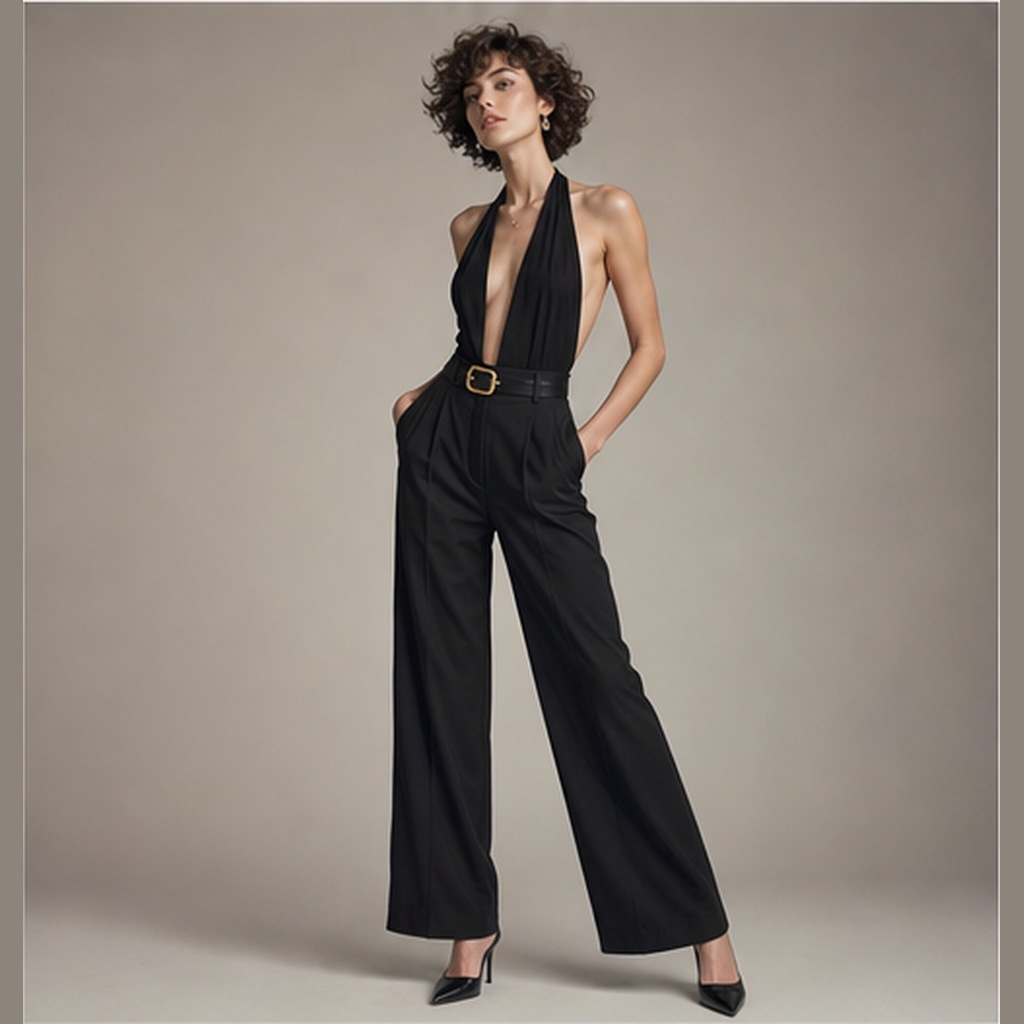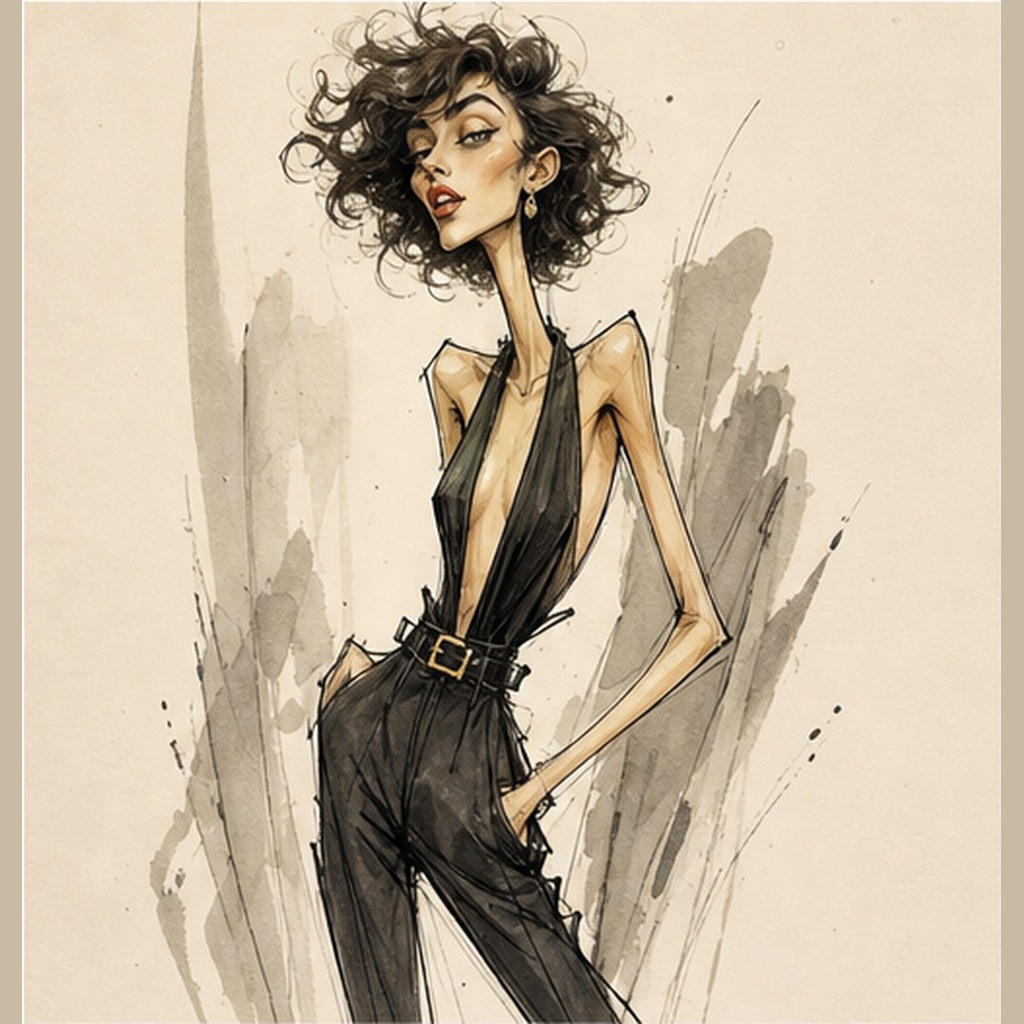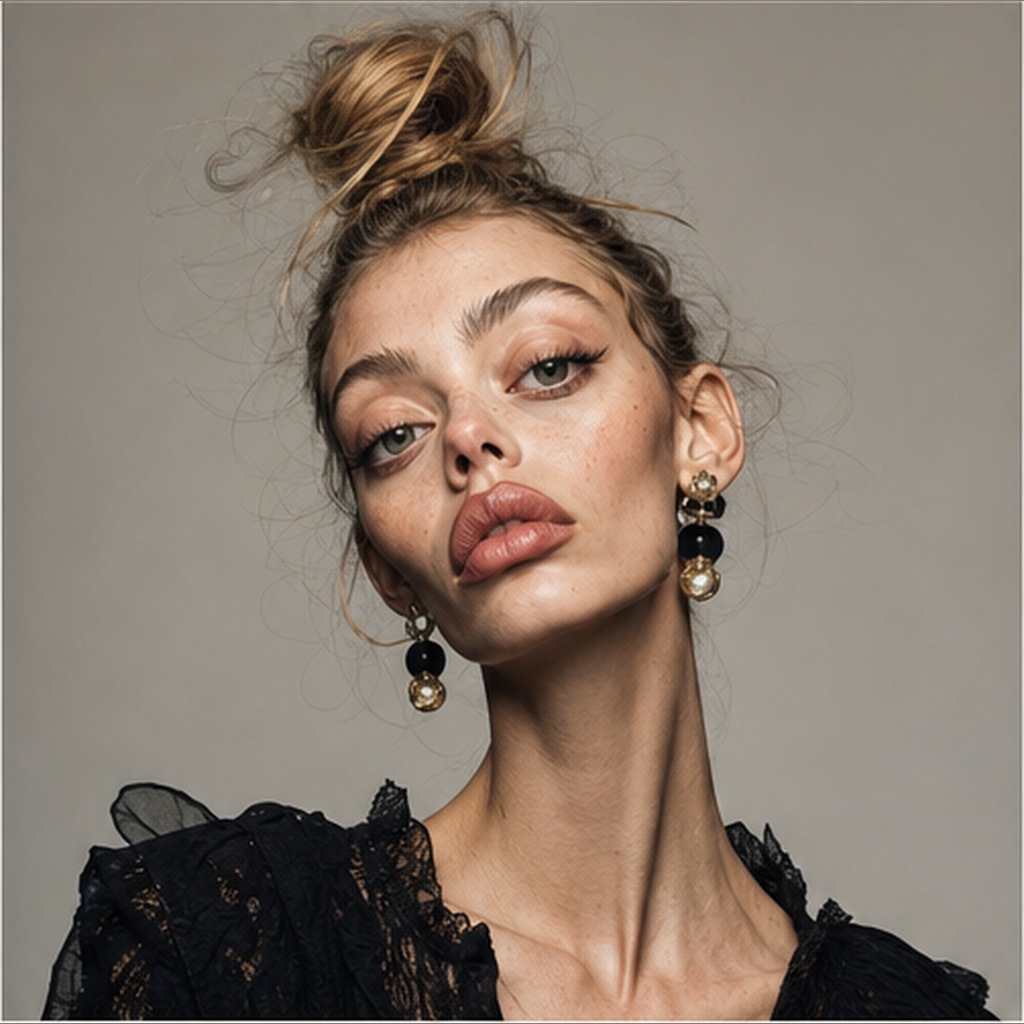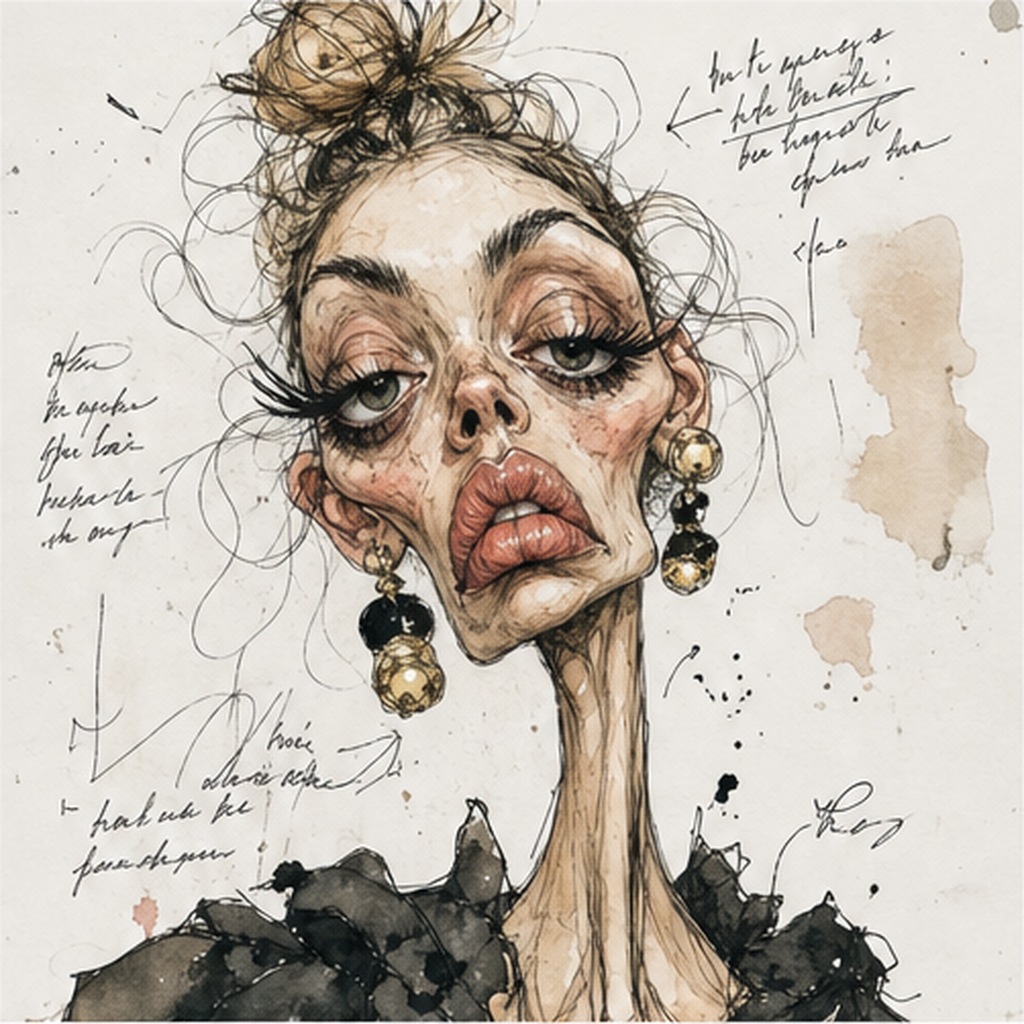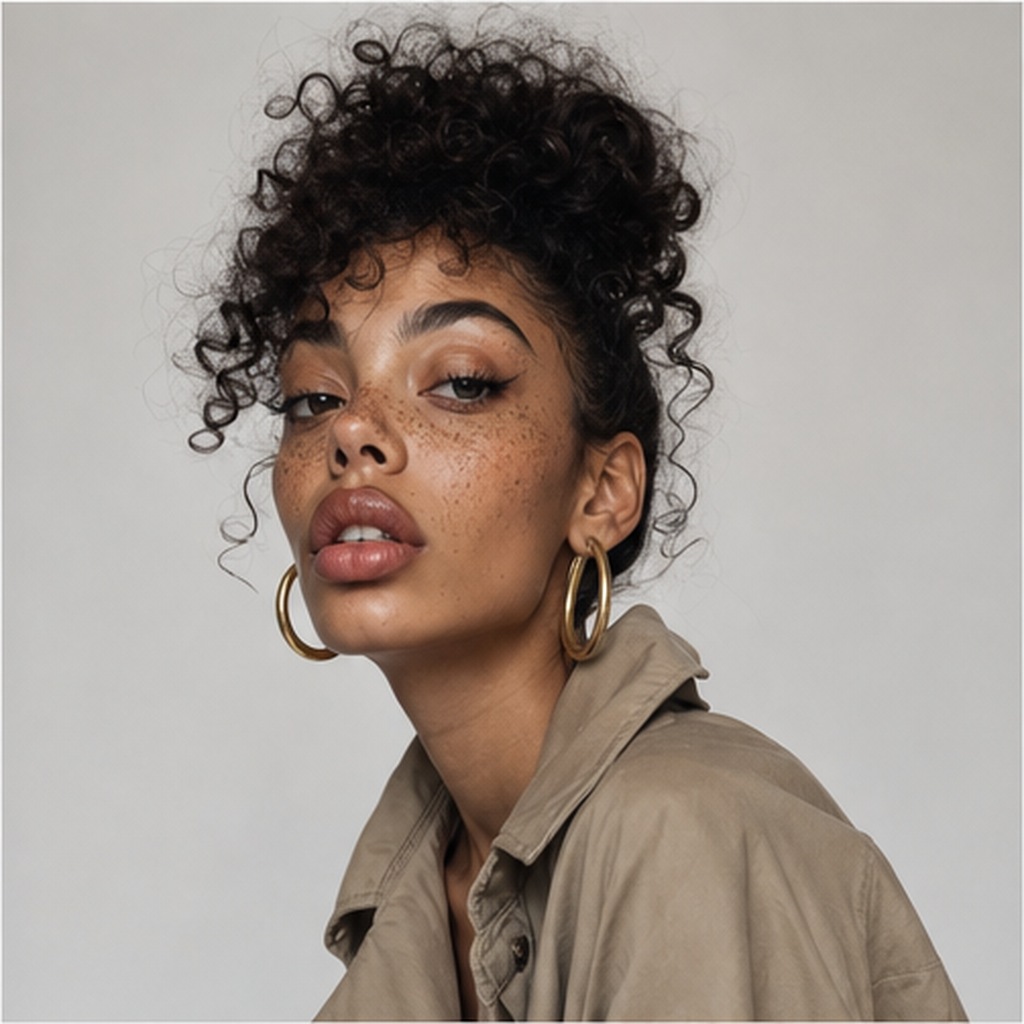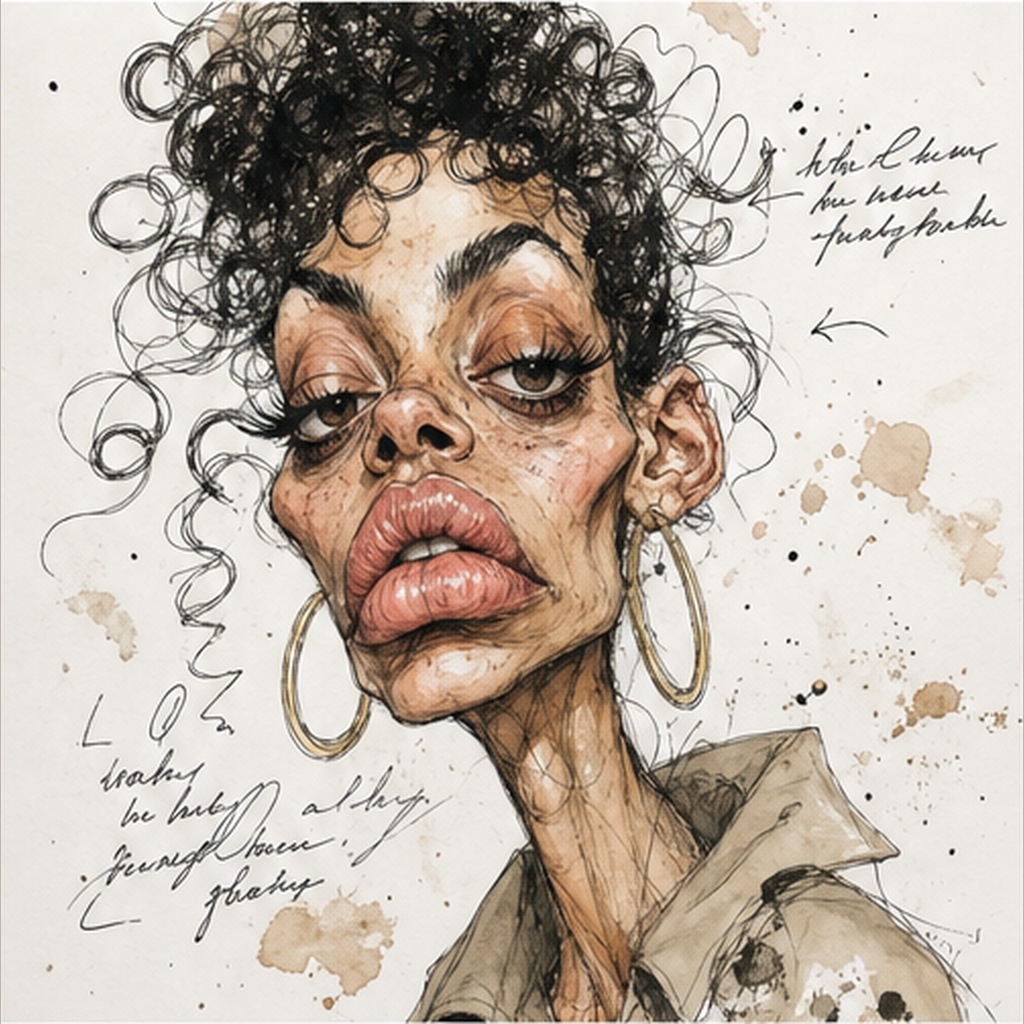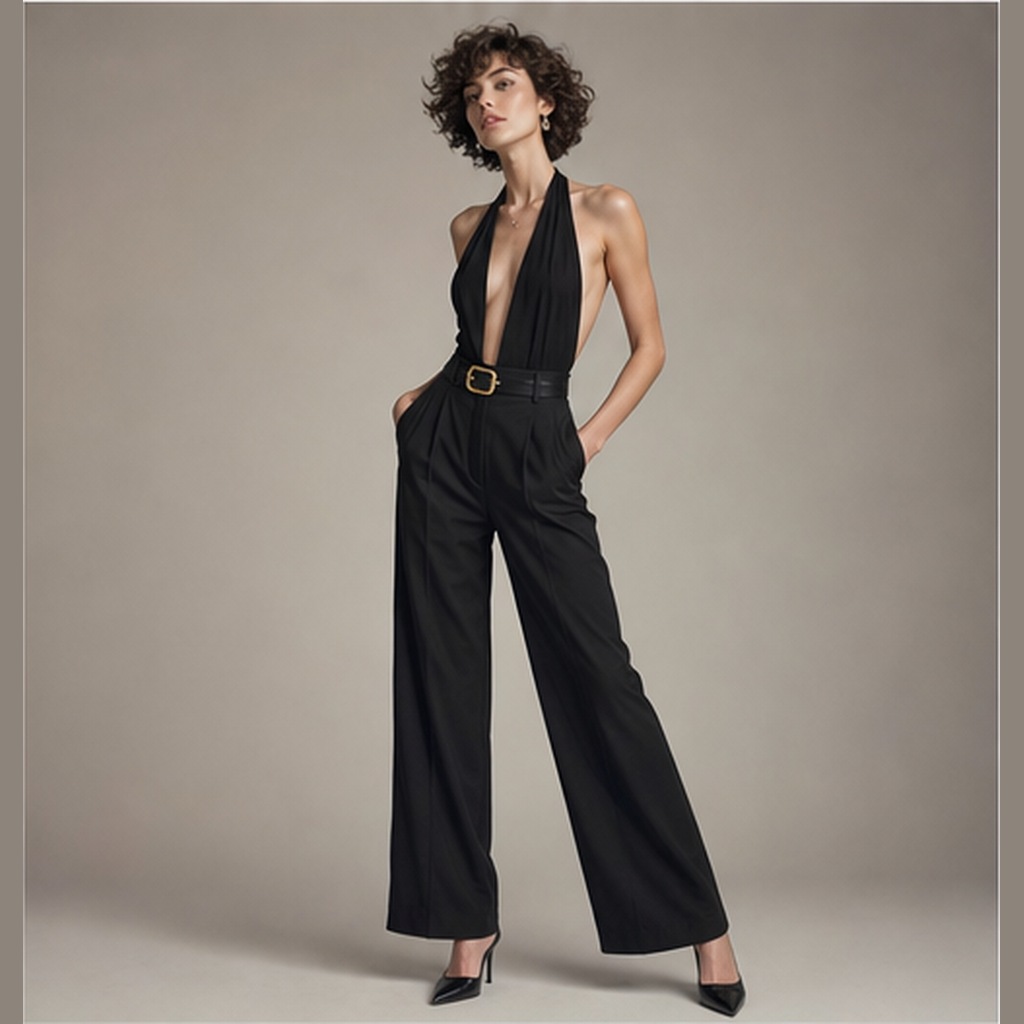
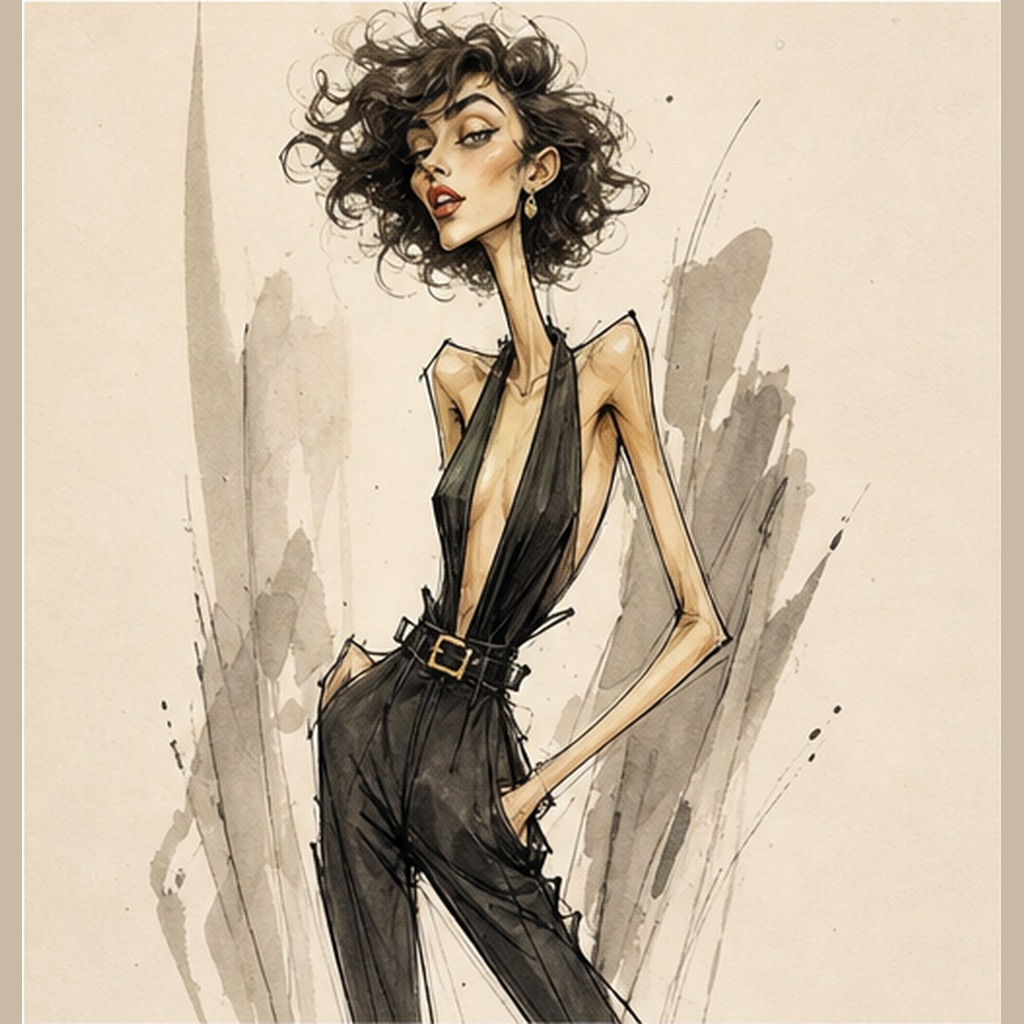
This prompt is designed for turning a portrait reference into a satirical fashion illustration: not a clean beauty portrait, not a realistic edit, and not a generic cartoon filter. Use it when you want the source person to become an exaggerated magazine-sketch character with long proportions, expressive hands, messy ink, rough watercolor, and handwritten editorial notes around the figure.
What this prompt is for
- Fashion caricature portraits: transform a normal portrait into a runway-inspired sketch with exaggerated anatomy and attitude.
- Editorial illustration tests: create a page that feels like a vintage fashion magazine note sheet or artist sketchbook spread.
- Humorous character studies: add visual comedy through posture, proportions, ink marks, labels, arrows, and fake observation notes.
- Before/after prompt experiments: compare how much a simple portrait can change when the prompt controls medium, anatomy, paper texture, and annotation style.
- Social or portfolio visuals: make a stylized result that looks more handmade and memorable than a standard portrait filter.
Best source photo to use
Use a photo where the face, upper body, outfit direction, and general pose are visible. The prompt can work with close portraits, but it is strongest when the model has enough information to exaggerate the shoulders, hands, clothing silhouette, and posture. Avoid very dark photos, tiny faces, heavy occlusion, and group shots. If the source has several people, crop or specify the single person you want transformed.
How to use it step by step
- Upload the reference portrait first. The prompt depends on the image, so give the model the photo before pasting the text.
- Paste the improved prompt exactly once. Keep the words about elongated limbs, crooked hands, ink, watercolor, aged paper, arrows, and handwritten notes because those details define the style.
- Add one short direction if needed. For example: "make it full body", "keep the jacket recognizable", or "make the notes funnier but not mean".
- Use the negative prompt. It prevents the model from drifting into polished beauty retouching, photorealism, clean vector art, horror, or unreadable text clutter.
- Review the first result for balance. The best output should still feel connected to the source photo while clearly becoming a messy fashion caricature sketch.
- Iterate with one correction at a time. If the face is too realistic, ask for more ink and exaggeration. If the text is chaotic, ask for fewer, larger handwritten notes. If anatomy becomes too distorted, ask for "stylized but readable body structure".
Recommended prompt additions
- For a stronger fashion mood: add "editorial runway attitude, exaggerated couture silhouette, dramatic model stance".
- For a funnier sketchbook page: add "more arrows, small doodles, short sarcastic labels, playful observation notes".
- For a cleaner result: add "fewer notes, more empty paper space, readable composition".
- For a rougher handmade look: add "scratchy pen pressure, visible watercolor blooms, uneven ink bleed".
- For better likeness without identifying the person: add "preserve broad facial structure and outfit cues from the reference".
What to avoid
Do not ask the model to identify the person, judge personality, infer age, health, nationality, or other sensitive traits from the photo. The handwritten notes should be fictional, playful, and visual rather than personal. Also avoid hateful caricature language. The prompt works best as stylized fashion satire, not as an insult or identity analysis.
How to judge a good result
- The character should be visibly transformed into a grotesque fashion sketch, not just lightly filtered.
- The paper, ink, watercolor, arrows, and handwritten notes should feel like one designed page.
- The body can be exaggerated, but the pose should still be readable.
- The notes should add humor and energy without covering the main figure.
- The result should keep enough source-photo cues to make the before/after comparison meaningful.
Quick troubleshooting
If the result is too realistic, strengthen "messy ink", "rough watercolor", "vintage fashion illustration", and "exaggerated anatomy". If the result is too chaotic, ask for "cleaner page layout with fewer annotations". If the hands look broken instead of intentionally expressive, use "crooked expressive fashion-sketch hands, stylized but readable". If the text becomes nonsense, ask for "short handwritten English labels, mostly decorative, not dense paragraphs".
Real source and result examples
The Grotesque Fashion Caricature Sketch gallery pairs each uploaded reference with its generated counterpart so the Grotesque fashion caricature sketch treatment can be checked image by image.